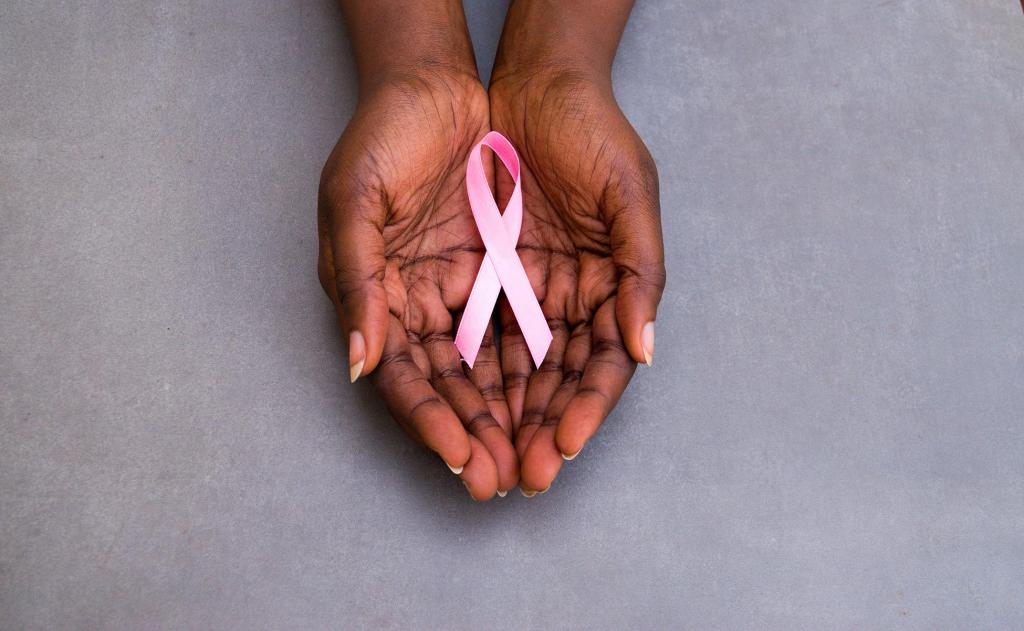
Featured image courtesy of Lexington Medical Center. Source: “Early Detection Could Save Your Life.” https://blog.lexhealth.com/home/blog/2020/10/28/early-detection-of-breast-cancer-could-save-your-life
Have you ever posted something on social media just because it seemed like everyone else was doing it, even if you weren’t sure of the reason?
This came to mind when I read the Breast Cancer Meme case study in Strategic Social Media: From Marketing to Social Change. The campaign quickly spread on Facebook, with women posting mysterious status updates about their bra color or where they put their purse. The goal was to raise awareness for breast cancer, but it made me question if a campaign truly raises awareness when people don’t understand the message.
The campaign definitely got people’s attention. Millions joined in, commented, and shared the posts. From a marketing point of view, those numbers are impressive. Many brands hope for high engagement like that. Still, getting lots of engagement doesn’t always mean the campaign made a real impact.
A key lesson I learned from this case study is that viral content isn’t always the same as meaningful communication. Many people were confused by the posts and didn’t realize they were about Breast Cancer Awareness Month. Some even criticized the campaign for using mystery and humor instead of teaching people about breast cancer, early detection, or helpful resources.
As a digital marketing student, I see this as a reminder that marketers should look past just likes and shares. Every campaign needs a clear goal. If the aim is to get women to schedule mammograms or teach people about breast cancer symptoms, the content should help guide them to do those things. If not, the campaign might end up as just entertainment instead of real education.
This case also got me thinking about slacktivism, which is when people feel like they’ve helped just by liking or sharing a post. Social media can bring attention to important causes, but awareness should only be the start of the conversation, not the finish. The best campaigns inspire people to take real action offline.
In this course, we’ve talked about how good social media marketing is about creating value and building relationships with your audience. Organizations need to earn trust by sharing content that is useful, real, and relevant. For breast cancer awareness, this could mean sharing survivor stories, educational videos, screening guidelines, fundraising events, or links to groups that help patients and families.
The Susan G. Komen Foundation is a great example of this approach. Rather than using mysterious viral trends, their campaigns mix personal stories with educational resources, research news, and ways for people to get involved. Their website offers practical information and encourages visitors to support the cause in real ways. You can check out their work here: https://www.komen.org/
Another excellent resource is the American Cancer Society, which offers reliable information about breast cancer prevention, symptoms, screening recommendations, and treatment options: https://www.cancer.org/.
If I were to redesign the Breast Cancer Meme campaign today, I’d keep the social part that helped it spread so fast, but I’d add a clear educational message and a call to action to every post. Imagine if each viral post also encouraged someone to schedule a screening, donate to research, or share an educational infographic. That mix could turn curiosity into real social impact.
Social media lets marketers reach millions of people in just seconds. But this case shows that success isn’t just about impressions or engagement rates. What really matters is whether a campaign helps change what people know, how they feel, or what they do for the better.
At the end of the day, marketing for social change isn’t about chasing the next viral trend. It’s about starting conversations that matter and inspiring actions that really make a difference.
Sources
- Strategic Social Media: From Marketing to Social Change, Chapter 4 (Breast Cancer Meme case study)
- Susan G. Komen: https://www.komen.org/
- American Cancer Society: https://www.cancer.org/


Leave a Reply