
Photo credit: Warby Parker.
More Than Glasses: What Warby Parker Teaches Us About Social Media Marketing
Initially, I viewed the Warby Parker case study as a story of a successful eyewear company. However, I soon realized the company’s success is rooted in building a brand that invites customers to participate through social media, user-generated content, and authentic engagement. In today’s digital landscape, this approach can be even more valuable than the products themselves.
Warby Parker’s Home Try-On program stood out to me. Rather than requiring customers to visit a store, the company sends multiple pairs of glasses for at-home trials. This personalizes the shopping experience and encourages customers to share photos with friends, family, or on social media for feedback. Each shared photo provides free brand exposure and increases customer involvement.
This strategy demonstrates how social media enables customers to help shape a company’s narrative. Instead of relying solely on advertisements, Warby Parker allows real customers to share their experiences. This approach is more effective, as people trust peer recommendations over traditional marketing. It turns customers into brand ambassadors in an authentic way.
I was also impressed by Warby Parker’s consistent brand communication. Whether online or in-store, the experience remains modern, friendly, and approachable. Consistency is essential as consumers engage with brands across various platforms. Warby Parker ensures each interaction feels connected, creating a seamless customer journey.
The case study highlights storytelling as a powerful tool in digital marketing. Warby Parker not only sells glasses but also shares stories about helping customers gain confidence, express themselves, and access vision care. The Buy a Pair, Give a Pair program connects the business to a social mission, giving customers a meaningful reason to support the brand.
This case also demonstrates that businesses do not need large advertising budgets to compete. By understanding customer behavior and fostering genuine engagement, companies can create marketing that feels personal. Today’s consumers expect to participate in conversations, not just receive advertisements. Brands that listen and encourage interaction are more likely to build lasting relationships.
The main lesson from this case is that successful social media marketing focuses on building connections, not just driving clicks or sales. When customers actively participate in a brand’s story, they help build credibility and foster a community that endures beyond any single campaign.
What are your thoughts? Would Warby Parker’s customer-centered approach succeed if launched today, or has the social media landscape changed enough that brands now require new strategies to stand out?
To learn more about Warby Parker’s Home Try-On Program:
https://www.warbyparker.com/home-try-on
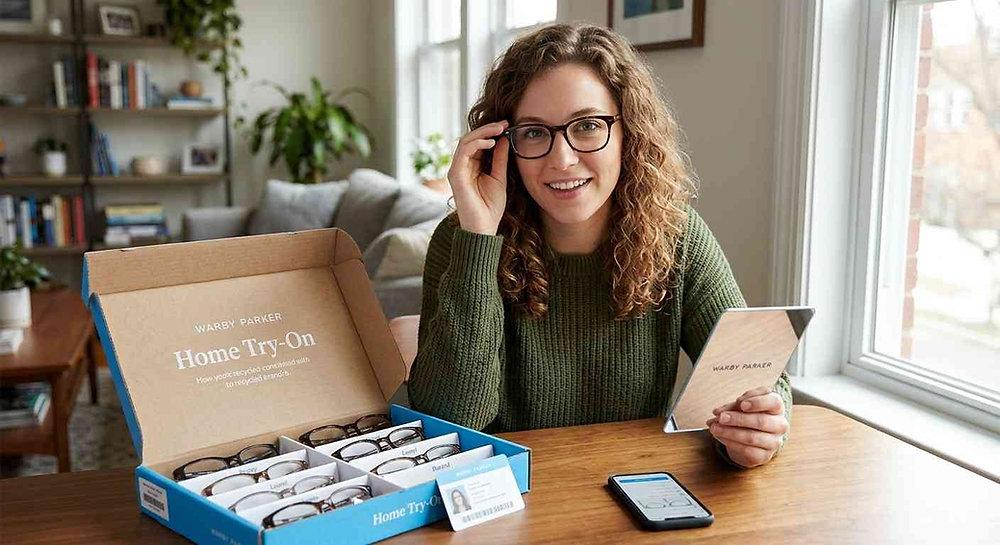
Photo credit: Warby Parker


Leave a Reply